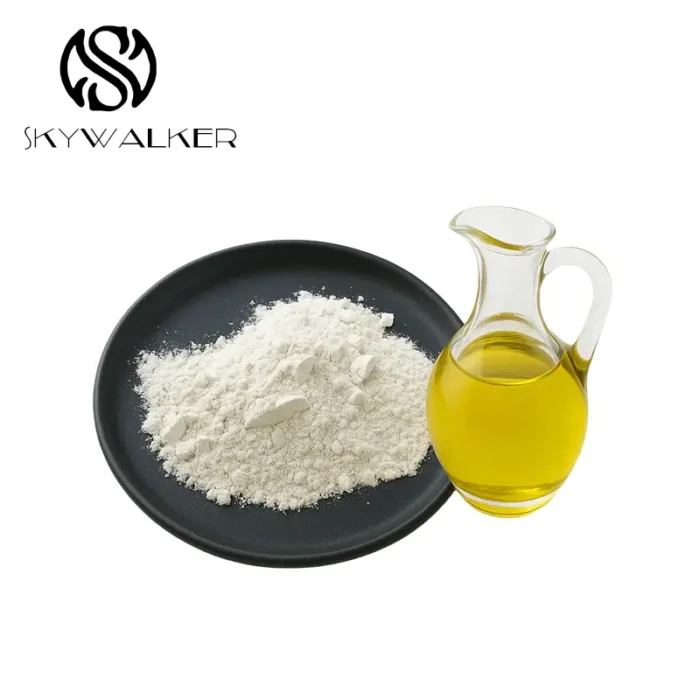
How does industrial diatomite filtration media behave under variable flow conditions?

Welcome,
Siliceous soil, generally referred to as diatomaceous earth, represents a exceptional pure filtration process. Harvested from the fossilized remains of microscopic plankton, this fine agent boasts a unique structure – millions of tiny, hollow chambers creating a extensive surface area. This design provides exceptional separating capabilities, effectively removing impurities from aqueous substances. It’s a safe and biodegradable alternative to man-made filters across various domains, including pool filtration, beverage processing, and crop systems.
Microfossil Aid: An Elaborate Description for Clearer Outputs
Reaching immaculate results in your production work often depends on effective clarification methods. Diatomite filter aid, a efficient natural substance, offers a considerable improvement, acting as a layer to gather solids that would otherwise pass through your mesh. This guide will delve into how diatomaceous earth – often simply called diatomite – works, its different applications in liquid treatment, and advantageous tips for optimal performance. Proper implementation of diatomite can dramatically lift the integrity of your final product, leading to remarkable taste and finish.
Understanding Kieselguhr: Applications, Strengths, and Wellbeing
Diatomaceous earth, called diatomaceous material, is a usual sedimentary aggregate composed of the fossilized remains of diatoms. It's primarily constructed from silicon dioxide, silicon compound, and has a greatly porous structure. This unique composition lends itself to a multitude of applications across widespread branches. Here's a look at its tasks:- Filtration: Extensively employed in cleaning systems and fermentation to remove undesirables.
- Bug Control: Acts as a chemical-free pest remover by damaging the carapaces of insects.
- Abrasive Treatment: Employed as a non-aggressive cleaner in abrasive cleaners.
- Medication & Meals: Can be mixed into anticaking elements and intermediates in certain items.
Determining a Proper Filtration Medium Agent: Advice regarding Specific Procedure
Identifying your ideal purification assistant powder style serves as important with regard to securing efficient removal throughout your method. Evaluate scrupulously aspects such as particle size, flow rate, cake formation, and chemical accord with its medium. Traditional possibilities include diatomaceous product, perlite and cellulose threads, each supplying distinct performance aspects. Appropriate review of these points will facilitate you choose most most matching filtration aid answer.
Diatomaceous Earth vs. Additional Cleaning Supports: Leading Alternative?
During selecting a straining aid for your operation, multiple solutions present beyond solely diatomaceous earth. While silica powder remains a renowned answer due to its minute particle volume and excellent clarification competencies, replacements like perlite and cellulose fibers supply exclusive benefits. Eventually, the prime election depends on factors comprising value, prowess, compatibility with your individual medium and the expected tier of filtration.
Understanding Diatomite: Structure and Filtration Properties
Kieselguhr is a exceptional sedimentary formation formed from the fossilized remains of tiny algae. These microscopic organisms possess intricately fabricated silica structures, termed wraps, exhibiting a permeable structure with a network of fine pores and passages. The architecture grants siliceous earth its exceptional purification capabilities; the vast surface area and industrial diatomite filtration media connected pore extent allow it to effectively ensnare dispersed matter from aqueous substances and emissions. Thus, it's broadly utilized in many filtration practices, including fluid purification, liquid refreshment filtering, and drug production.Renewable Filtering: Examining Diatomaceous Earth Choices
Increasing concerns regarding liquid medium refinement and environmental influence are prompting a search for novel straining processes. Single notably promising fix involves natural filter powder, a inherently found sedimentary deposit composed of the traces of minuscule algae. Compared to traditional scrubbing methods that sometimes bank on on fabricated elements, diatomaceous earth offers a regenerative choice. Its distinct openwork framework creates a extremely competent barrier capable of eliminating a ample variety of pollutants from countless fluid wells.
Note some advantages of using diatomaceous diatomite in purification:
- Yields remarkable refining power.
- Is biospherically safe.
- Embodies a economical plan.
- Is able to be harnessed for multiple endeavors.
Self-Made Pool & Pond Sanitation: Using Natural Earth
Wish for a glittering pool or pond minus pricey agents? Evaluate using diatomite! This genuine powder is a remarkably effective purifying agent. It works by ablating tiny microbes and other matter from the liquid. Conveniently add it directly to your swimming area or employ it in a DIY purification method. Be sure to use approved-grade diatomaceous earth, as other types can be injurious to aquatic life. Here's how it can help:
- Extracts biological scum
- Enhances clearness
- Grants a biodegradable alternative to industrial agents
Traveling From Earth to Mesh: The Process of Microfossil Sediment
Think of a material seemingly ordinary, yet made over long durations – that’s diatomite. It begins as the impressions of microscopic microbial entities, diatoms, that reside in freshwater ponds. When these small creatures expire, their siliceous earthy cell envelopes plunge to the underlayer of the expanse of water, heaping over vast periods. These deposits are then covered under sheets of further sediment, placed to significant pressure and temperature. Finally, this material is obtained, treated, and converted into the flexible filtering medium we know as diatomite.