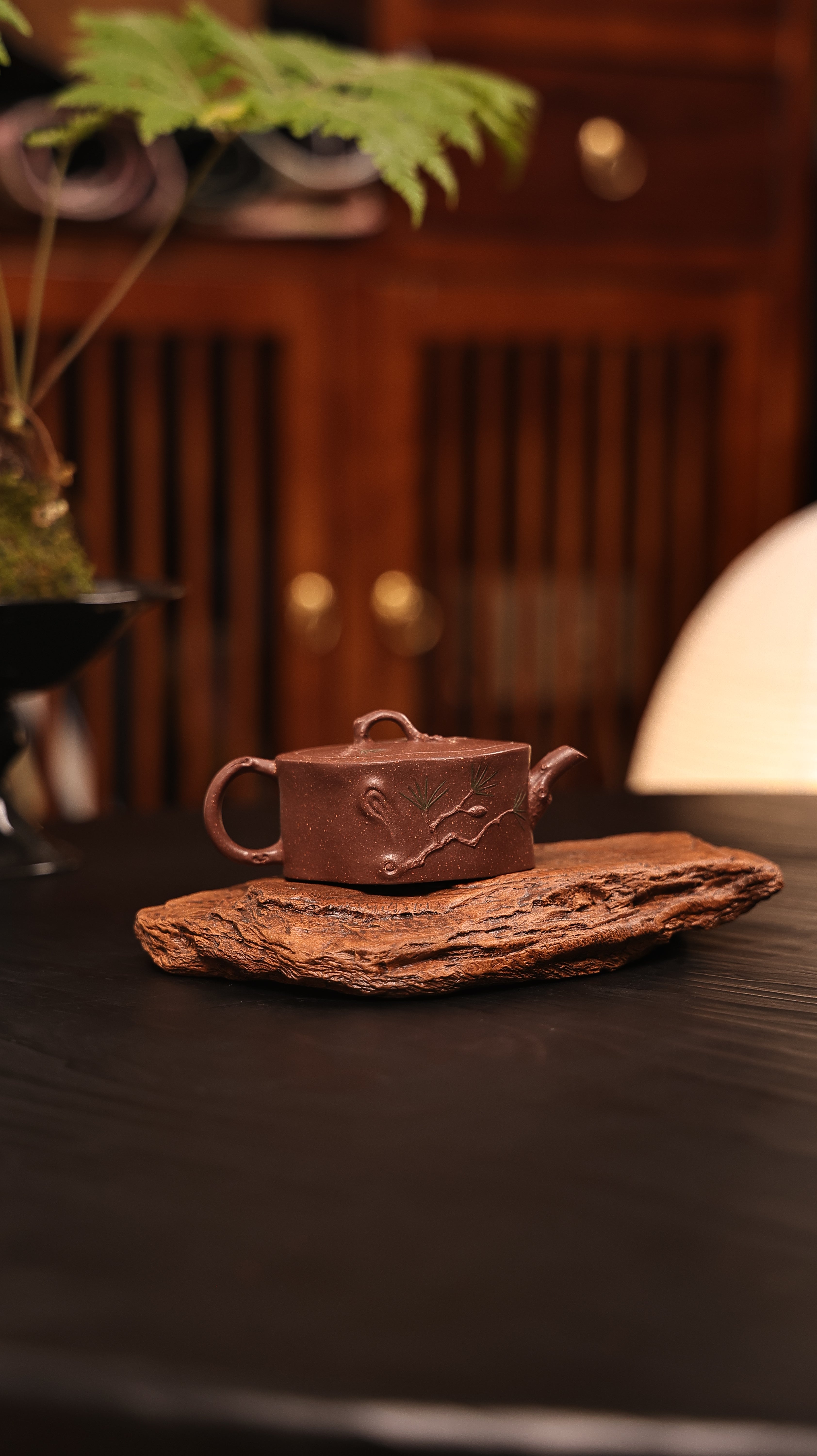
How can the ergonomics of a Yixing Teapot handle and spout reduce spillage and waste?
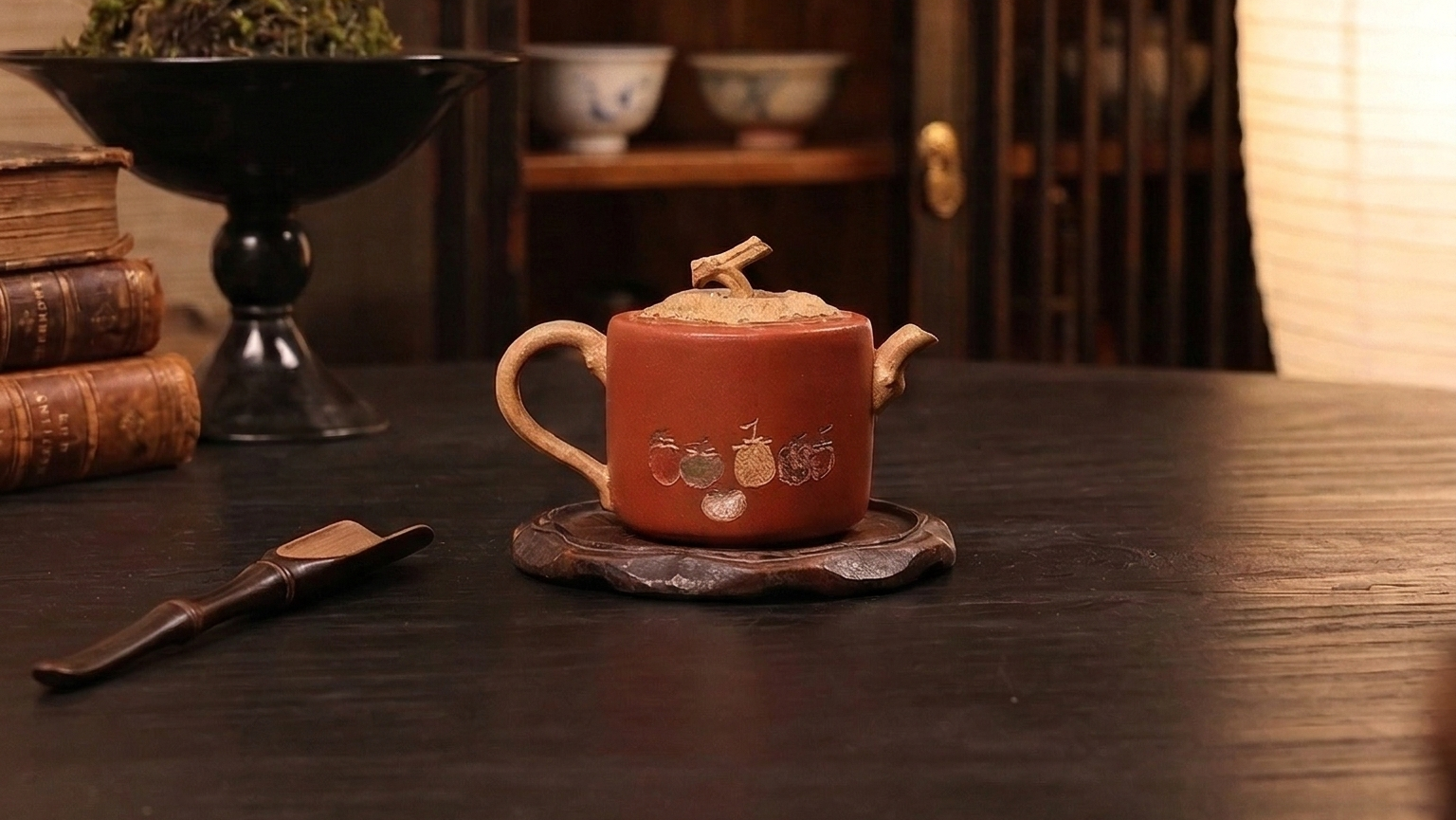
Lasting custom expresses Yixing clay vessels within eras,
Manifesting rare aspects gathered within local amethyst elements, those jars develop a coating throughout usage, enhancing flavor extracted from created extracts.
Unveiling Yixing Dregs: Complete Insights into Zisha
Diverse lovers respect the peculiar consistency of Yixing indigo clay, a foundation of classic Chinese pottery. Appearing from the Yixing region of Jiangsu province, this exquisite clay holds an elaborate mineral structure, that delivers incredible qualities to the crafted wares. Forms within Zisha, including Purple Mud, Duan Ni Mud, and Jiang Xi Mud, each offers individual shades, textures, and processing traits, modifying the ventilation and the final accent ripening of the beverage.
Eastern Carafe Usages: Discovering Artistry
Eurasian teapots embody exceeding mere vessels for extract; they exemplify centuries of historical mastery. From the celebrated Yixing clay variations, respected for their absorbent nature which gives unmatched flavors to the extract, to the subtle porcelain from Jingdezhen, each piece narrates a record of dedication. The forming process is an detailed practice, often bequeathed through generations of experts. These craftsmen use established approaches such as hand-building, designing on wheels, and ornamenting, demonstrating profound reverence for the medium and the trade itself. Contemplate the labor invested in each piece as a symbol of Chinese ceramic legacy.
- Chinese teapots: a distinguished selection.
- Elite ceramic teapots: celebrated for their fine design.
- Sculpting techniques: a difficult yet fulfilling procedure.
Jiangsu Purple Teapot Maintenance: Sustaining Your Prized Possession
Optimal maintenance of your unique Yixing Zisha flask is vital to maintaining its condition. Crafted from recognizable purple sand dirt, these first-rate teapots develop a lovely patina after utilization, greatly boosting their allure. Stay away from agents; a soft rinse with moderate temperature hydrous matter is adequate. Avoid searing water for purifying the teapot, as it may damage its surface. Allow it to evaporate moisture away from unfiltered sunlight. Consider breaking in your teapot regularly using select tea, especially aged varieties. Here is a brief account:
- Wash with moderately heated aqueous solution.
- Withhold agents.
- Let it to dry fully.
- Condition with choice tea.
Background of Yixing Teapots: Early Beginnings
The history of Yixing teapots emerges initially during the Jin dynasty, estimated the 16th century. Initially, these vessels were not the valued goods they are considered now. They were crafted by regional potters using the unique purple clay discovered solely in the Yixing vicinity. These early creations were primarily utilitarian, designed for everyday use and often simple in design. It was not until the posterior dynasty that they opened up to earn renown beyond mere employable crafts.
Identifying the Appropriate Chinese Vessel: A Novice's Guide
Venturing the territory of Yixing teapots can be complex, but resist doubting! For newcomers, the most important factor is understanding the clay. Certified Yixing clay is prized for its transparency, allowing the teapot to hold the tea's aroma over time, improving every developing session. Imagine the outline; traditional bulbous shapes prevail, yet individual preferences play a role. Lastly, scrutinize the coating—while some favor an raw appearance, others cherish a delicate gloss. Take your time in the decision process—this is an investment in a adored piece of workmanship.
Purple Clay Kettles and Their Significance on Chinese Infusion Culture
Zisha pitchers, derived from Yixing, China, have profoundly shaped customary Chinese infusion culture. The Yixing clay teapots, prized for their singular hue, fabric, and exceptional ability to impart a subtle bouquet to the tea, exist as more than mere pots; they are treasured creations and symbols of prestige. The very ceremony of preparing Yixing Teapot and serving beverage using a Zisha teapot is steeped in custom, elevating the experience beyond simple refreshment. Epochs of artisans have enhanced their techniques, passed down through clans, resulting in highly desired pieces. Thus, Zisha teapots are frequently admired, playing a crucial part in cultivating Eastern appreciation for aesthetics and the art of liquid ceremonies.
- Unique Clay Composition
- Giving Subtle Flavor
- Artistic Craftsmanship
Spotting Genuine Collectible Yixing Pots
Purchasing a legitimate Yixing teapot can be a fruitful experience, but the trade is often flooded with replicas. Discerning between a true antique and a new reproduction requires exact inspection. Key indicators include the clay's mahogany shade, often displaying striped patterns, and the deficiency of modern processing imprints. The silhouette should indicate natural elegance, reflecting the traditional Yixing manner. Finally, reviewing the producer's stamp is fundamental to verify certainty against known archives.
- Assess the clay's surface.
- Look for imperfections, indicative of manual quality.
- Hire an consultant for confirmation.
Purchasing Native Teapots: A Thorough Reference to Earthenware Awareness
The realm of Eastern Zisha containers delivers a noteworthy circumstance for astute enthusiasts. Continuously, the market price of these mastercrafted artifacts is regulated by distinct factors, such as the quality of 紫砂, the mastery of the creator, the heritage relevance, and, naturally, the contemporary popularity. Initiates should familiarize themselves on comprehending the numerous characteristics of Zisha clay—such as Binghu, 杜宁, and 紅泥—and getting acquainted with the characteristics linked to each. Careful copyrightination of the vessel's shape, color, and badge is concurrently paramount to make educated judgments when investing.